

 English
 中文简体
中文简体 Español

.jpg)
.jpg)

Custom Biodegradable Composite Printable Film Company


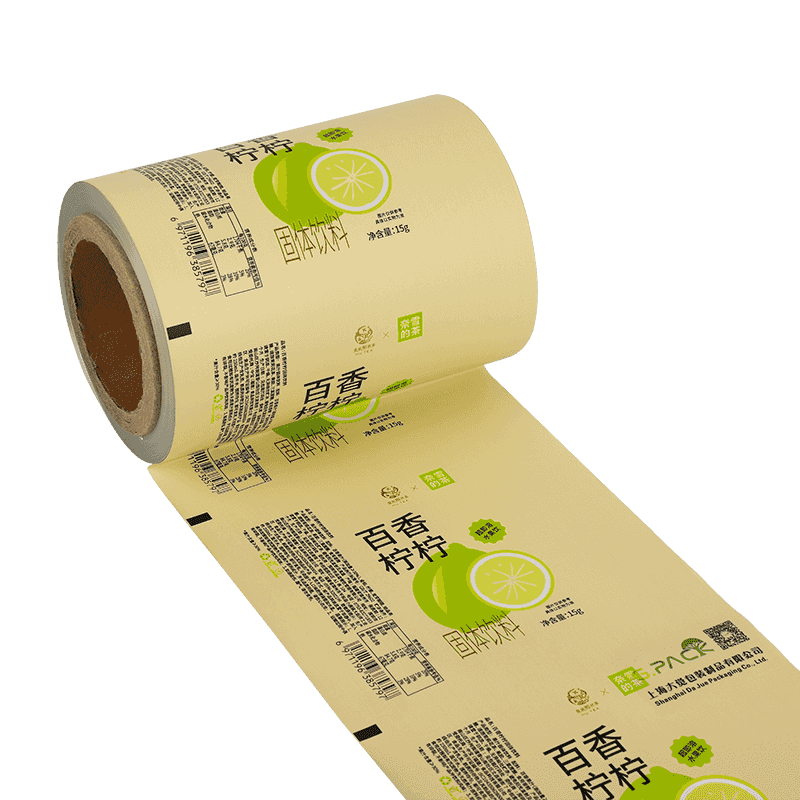
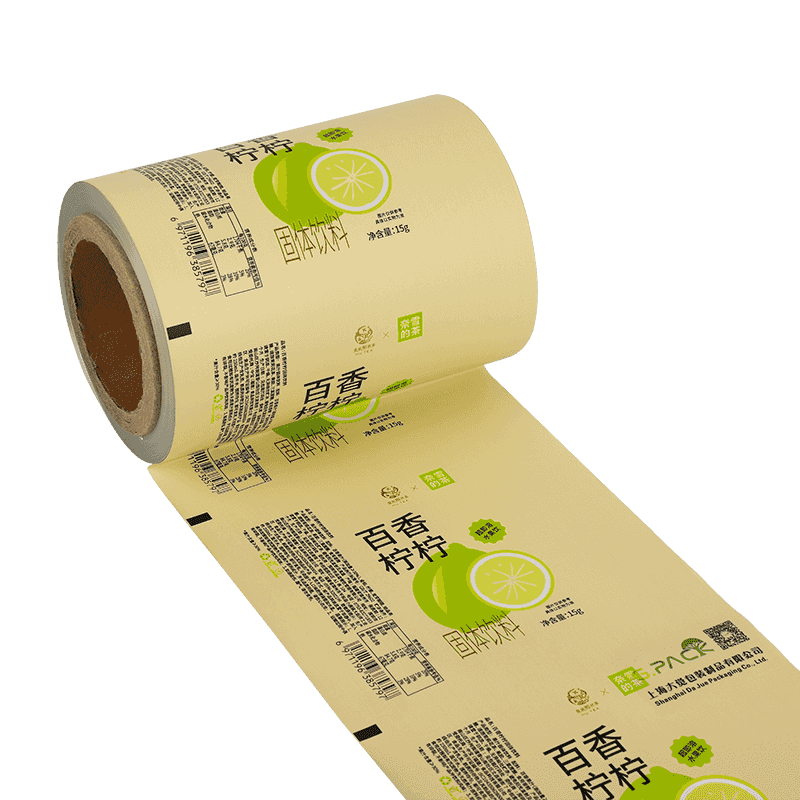
Biodegradable Composite Printable Film
Description
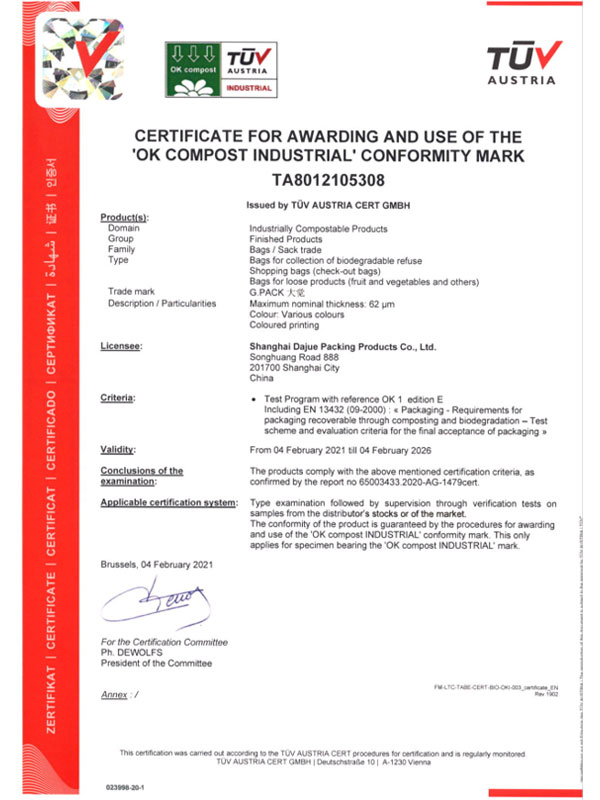
Our biodegradable composite printable film is a cutting-edge solution tailored for businesses looking to embrace eco-friendly alternatives without compromising on performance.
Available in customizable sizes and varying thicknesses from 2.5S to 6S, this film is crafted from a blend of PLA + PBAT, PBS, or PBAT+ST materials—all renowned for their biodegradability and food-grade safety.
Ideal for creating biodegradable bags, kraft paper composites, and more, our film excels in mechanical strength and barrier properties, making it a seamless replacement for traditional plastic packaging.
Join us in shaping a greener future with products that prioritize both sustainability and functionality.

![{$v2['title']](/template/en/images/a-icon.png "Biodegradable Composite Printable Film")
|
SIZE |
CUSTOMIZABLE |
|
THICKNESS |
2.5S-6S |
|
MATERIAL |
PLA + PBAT, PBS, PBAT+ST |
|
USAGE GRADE |
FOOD-GRADE |
|
APPLICATION |
MADE INTO BIODEGRADABLE BAGS, KRAFT PAPER COMPOSITES, ETC. |
Get in Touch With Us

Who Are We?
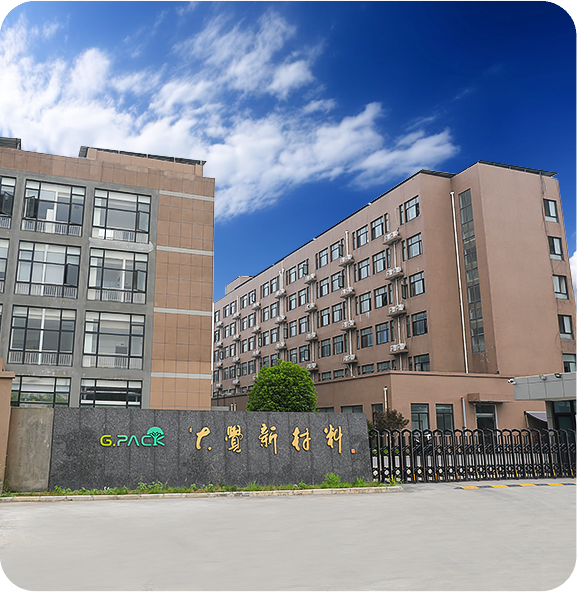
Dajue (Zhejiang) New Material Technology Co., Ltd.
Founded in 2005, Dajue is a high-tech company focusing on green and environmentally friendly materials. The company focuses on bio- and CO2-based materials, with its headquarters in Shanghai, production base in Jiaxing, and R&D base in Beijing.
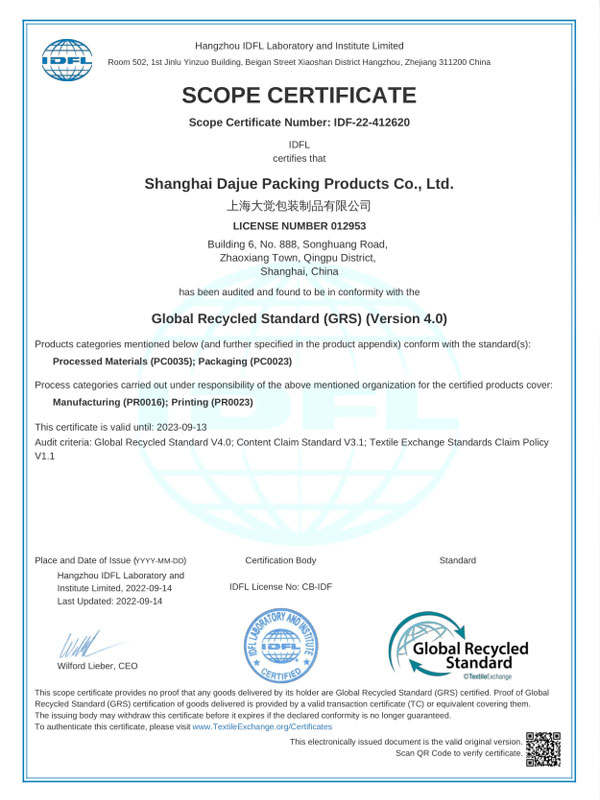
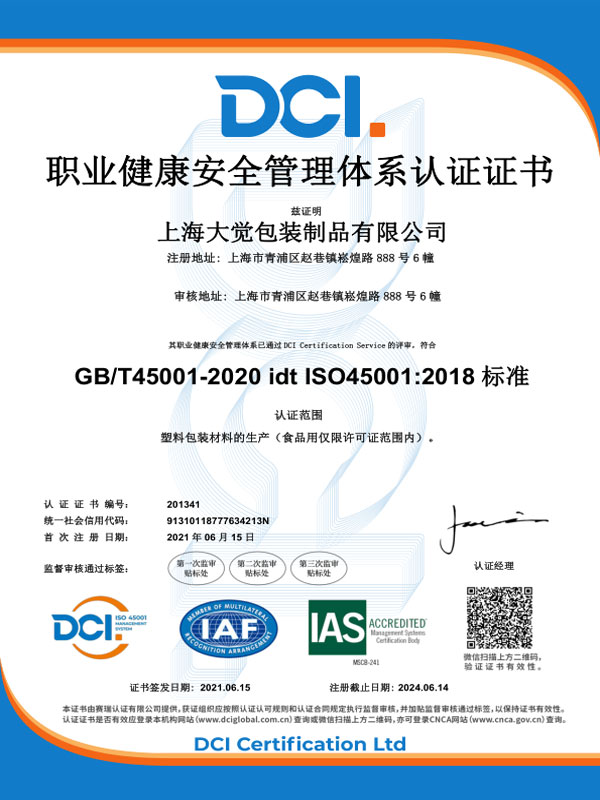
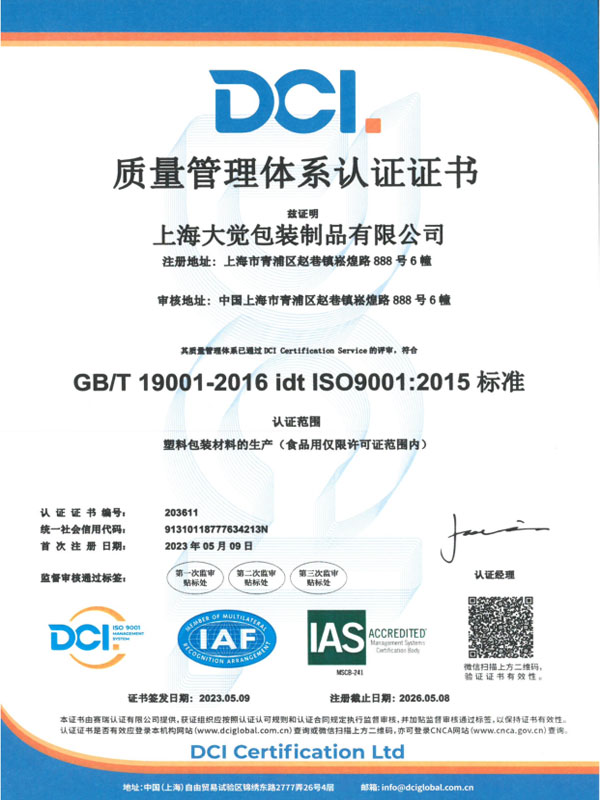
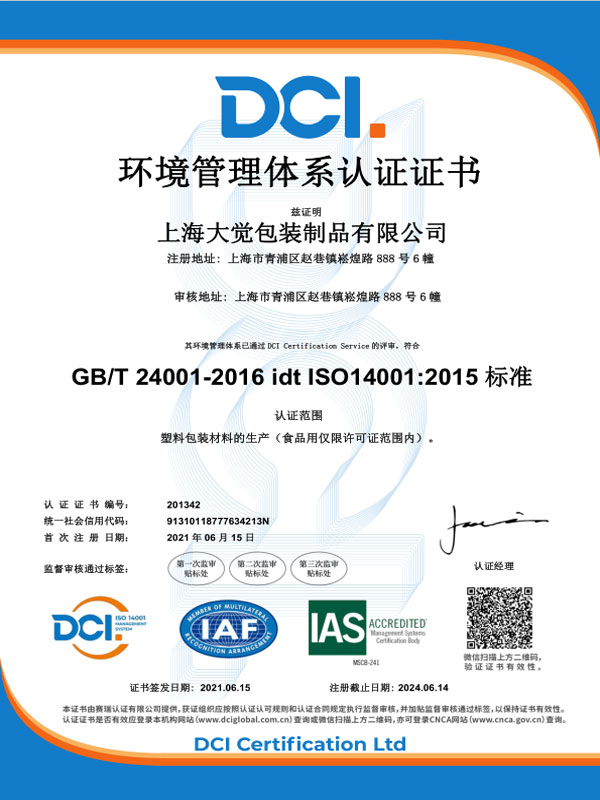
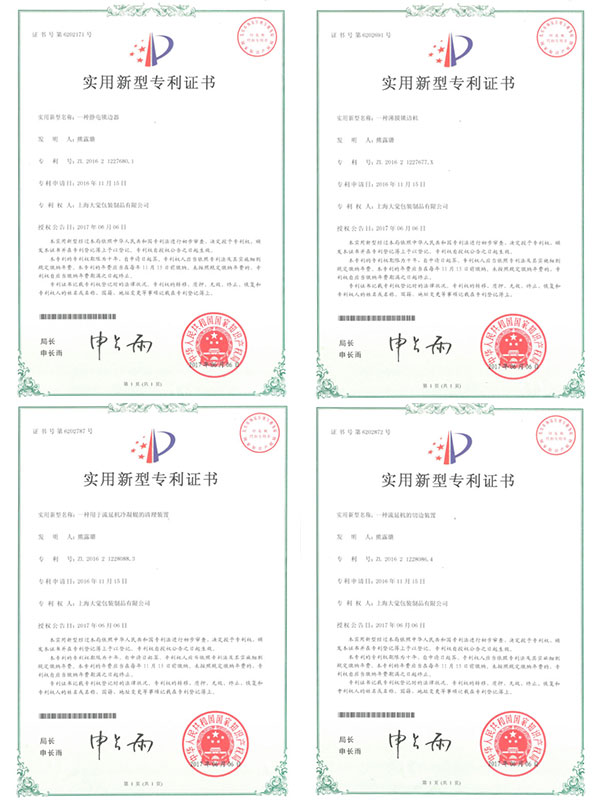
As a Custom Biodegradable Composite Printable Film Factory and Biodegradable Composite Printable Film Supplier .The company has 41 patents and has contributed to more than 20 industry standards. Dajue is committed to promoting the development of green technology by strengthening its production, R&D, and market applications in various industries, especially in response to global carbon reduction and plastic bans.
-
What Really Happens to Compostable Pet Poop Bags in Landfills and Composting Systems
Compostable pet poop bags are marketed as an eco-friendly solution for managing pet waste, but many users still wonder what actual...
-
How Shape-Engineered EPE Foam Profiles Solve Packaging Challenges in Fragile Product Transport
When it comes to protective packaging, one size rarely fits all—especially in industries where products are fragile, irregularly s...
-
How Custom EPE Foam Profiles Deliver Superior Protection and Efficiency in B2B Packaging
In today’s fast-paced manufacturing and logistics environment, choosing the right packaging solution is no longer just about prote...
-
How Food Grade PE Cling Film Effectively Extends Shelf Life and Reduces Food Waste for Food Businesses
In today’s fast-paced food industry, extending the shelf life of products while maintaining their freshness is a critical challeng...
-
How Grafting Tape Properties Influence Callus Formation and Graft Union Success in Fruit Trees
Grafting success in fruit trees depends heavily on the conditions that support callus formation and stable cambial contact. One of...
-
Material Innovation in Packaging: Why PE/PBAT Blends Are Reshaping Hanging Delivery Bags
In the fast-moving world of delivery logistics, material innovation has become just as critical as product design. Among the most ...
Popular products
We also produce other environmentally friendly packaging materials or products, including takeaway packaging bags, express bags, shopping bags, food composite bags, plastic wrap, agricultural film and other types of plastic film bags, as well as lunch boxes, knives, forks, spoons and other disposable cutleries.
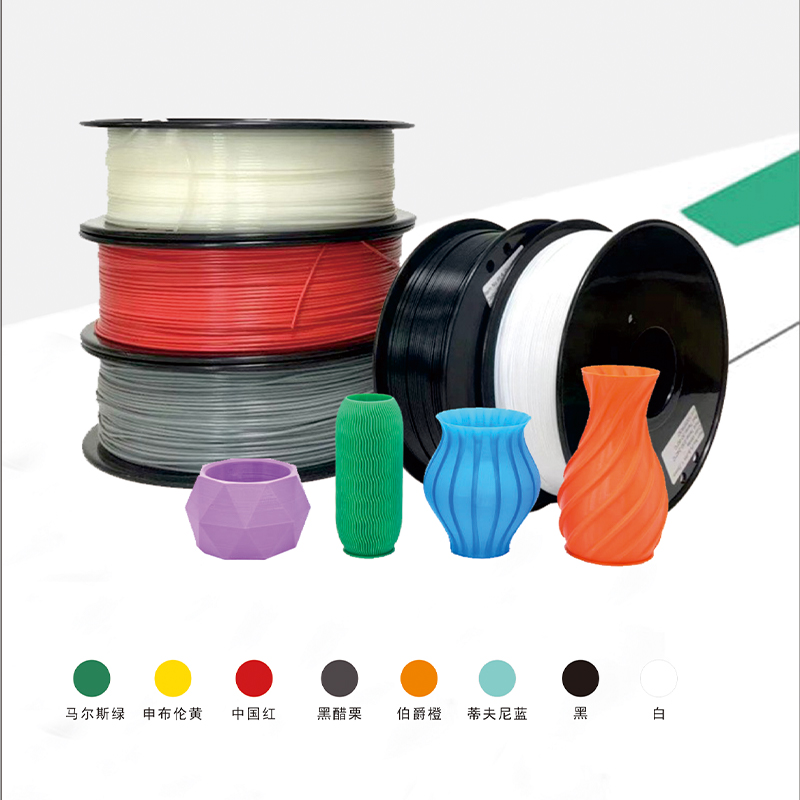
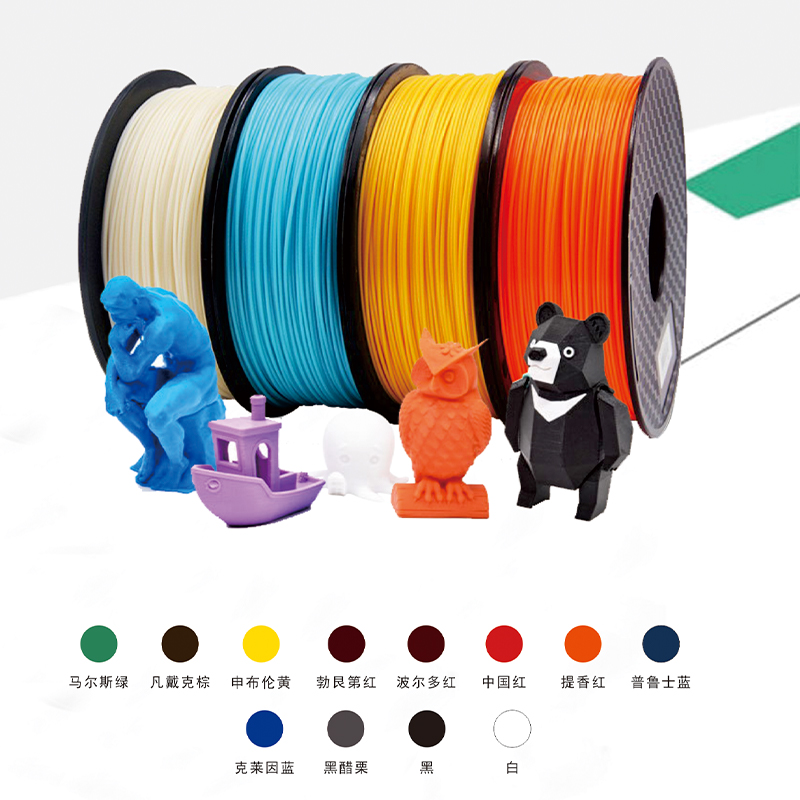
More You Should Know
How does the cost of biodegradable composite printable film compare to traditional plastic packaging materials?
In the realm of packaging materials, traditional plastics have long been the cornerstone due to their versatility, lightweight nature, and cost-effectiveness. However, the detrimental environmental impact of these plastics has spurred a growing interest in biodegradable alternatives. One such alternative is biodegradable composite printable film, which offers a sustainable solution without compromising on performance.
Current Market Landscape
As per data from European Bio Plastics e.V. (2020b), only about 1% of plastics and plastic products globally are considered biobased, compostable, or biodegradable. This statistic highlights the nascent stage of biodegradable materials in the market and the immense potential for growth and adoption.
Cost Considerations
One of the primary considerations hindering the widespread adoption of biodegradable materials is the production cost. Currently, the cost of biodegradable plastics is not advantageous compared to traditional plastics. However, recent literature suggests that strategies such as mass production and increasing consumer awareness can help mitigate this cost barrier.
Strategies for Cost Reduction
Mass production plays a crucial role in reducing the cost of biodegradable materials. Scaling up production leads to economies of scale, optimizing manufacturing processes, and sharing production costs across larger volumes. Additionally, raising consumer awareness about the benefits of biodegradable packaging can stimulate demand and justify long-term investments in sustainable materials.
Environmental Awareness and Consumer Perception
The rise of environmentalism has shifted consumer preferences towards eco-friendly products. As businesses and consumers become more environmentally conscious, there is a growing demand for sustainable packaging solutions. Biodegradable composite printable film aligns with these environmental goals, offering a viable alternative to traditional plastics.
Long-Term Economic Benefits
Despite the initial cost challenges, investing in biodegradable materials offers long-term economic benefits. These benefits include reduced environmental impact, improved brand reputation, compliance with regulatory requirements, and resilience to evolving consumer preferences.
While the cost of biodegradable composite printable film may currently be higher than traditional plastic packaging materials, the growing environmental awareness and demand for sustainable solutions are driving forces for its adoption. With strategies such as mass production and increased consumer awareness, the cost barrier can be overcome, paving the way for a more sustainable and economically viable packaging industry.



Please leave us
a message
Follow us
on social media
Contact Us
Contacts:Fancy
TEL: +86138 5856 8623
Email:[email protected]
Add: 888 Songhuang Road, Qingpu District, Shanghai, China
No. 300, Xitangqiao Section, 525 National Road, Xitangqiao Street, Haiyan County, Jiaxing City, Zhejiang, China

